Cardiac Reserve Refers to Which of the Following Events
A excitation of the sinoatrial SA node B closure of the heart valves C friction of blood against the chamber walls D opening of the heart valves 2 During the isovolumetric relaxation phase of the cardiac cycle A atrioventricular aortic and pulmonary valves are closed B atrioventricular valves are closed. It can be represented mathematically by the following equation.

19 3 Cardiac Cycle Anatomy Physiology
Electrolyte imbalance increase levels of.

. Assume they are similar in terms of size and muscular fitness. Increased secretion of renin in heart failure is caused by which of the following events. What is the definition of the Cardiac Cycle.
The bodys demand for oxygen changes such as during exercise and the cardiac output is altered by modulating both heart rate HR and stroke volume SV. Which of the events below does not occur when the semilunar valves are open. The ability of the heart to increase cardiac output when needed.
Difference between restinf and maximal cardiac output. But in heart failure there is no cardiac reserve. 25 Sequencing the Events of the Cardiac Cycle.
A fibrosis of cardiac muscle B thinning of the valve flaps C decline in cardiac reserve D atherosclerosis. Cardiac reserve refers to which of the following events. Which of the following drugs improves cardiac efficiency by slowing the heart rate and increasing the force of cardiac contractions.
B each cardiac muscle cell is innervated by a sympathetic nerve ending so that the nervous system can increase heart rate. It refers to the number of times the heart beats per minute bpm. The first and last steps are given.
Ability to increase cardiac output during physical exercise The health care provider is reviewing diagnostic tests that were ordered for a client diagnosed with heart failure. See full question see full question Question 10. The sequence of events that occur during one complete heartbeat.
CO HR. Ability to increase cardiac output during physical exercise Explanation. Factors Determining Cardiac Output.
In athletically trained persons it is occasionally 500 to 600 per cent. Cardiac reserve refers to which of the following events. Cardiac reserve refers to which of the following events.
Thus in the healthy young adult the cardiac reserve is 300 to 400 per cent. See full question Which of the following statements regarding causes of systolic and diastolic dysfunction are correct. A thinning of the valve flaps.
As a result the regulation of cardiac output is subject to a complex mechanism involving the autonomic nervous system endocrine and paracrine signaling pathways1 Cardiac output CO is the amount of. Which of the following terms refers to a lack of oxygen supply to heart muscle cells. What is cardiac reserve.
The valve may get thinner or get ruptured that makes leaflet floppy. Aortic and pulmonary valves are open C atrioventricular valves are open. The difference between the rate at which a heart pumps blood at a particular time and its maximum capacity for pumping blood.
Medical Definition of cardiac reserve. Based on the information given below which individual has the greatest tolerance for strenuous exercise. A Ann cardiac reserve 8 Lmin B Betsy cardiac reserve 15 Lmin C Carla cardiac reserve 18 Lmin D Donna cardiac reserve 25 Lmin.
It refers to the quantity of blood pumped out of each ventricle with every heartbeat. The contraction and relaxation of the ventricles. The circulation of blood in the heart.
A the refractory period in skeletal muscle is much longer than that in cardiac muscle. Cardiac tamponade results in ineffective pumping of blood by the heart because the excessive amount of fluid in the pericardial cavity will_____. Sometimes heart valves are damaged due to certain degenerative valve diseases causing heart valve disease.
Cardiac reserve can be simply defined as an increase in cardiac output above its level at rest. Volume of blood in left ventricle just before systole Incorrect Correct response. Thinning of the valve flaps atherosclerosis decline in cardiac reserve fibrosis of cardiac muscle.
We are always able to predict the net effect on cardiac output from changes in SV and HR. Say you were walking your dog in the park suddenly the leash broke and your dog ran. C the influx of potassium ions from extracellular sources is the initiating event in cardiac muscle contraction.
The following factors determine the cardiac output of a human heart. Select all that apply. A is a graph of pressure changes in the heart as it contracts B is a graph showing the timing of heart valve closure C represents all of the events of the heart during one heartbeat D is a graph of electrical activity of the heart.
Other factors of Cardiac reserve. Cardiac output is which of the following per minute. The cardiac output comprises 2 vital components.
The contraction of the atria. 26 Classify the following statement as belonging to either sympathetic or parasympathetic stimulation of the heart. The cardiac reserve is.
1 prevent the visceral layer of the serous pericardium from properly surrounding the heart 2 prevent the heart from filling properly with blood 3 prevent proper oxygenation of the blood 4 interfere with the ability of this fluid to. The term cardiac arrest refers to which of the following. What do emotions like anxiety or fear do.
To calculate this value multiply stroke volume SV the amount of blood pumped by each ventricle by heart rate HR in contractions per minute or beats per minute bpm. It is a measure of the level and duration of physical effort in which an individual can engage. Cardiac reserve refers to the hearts ability to change the cardiac output instantaneously as needed.
Cardiac reserve refers to the ability of the heart to increase cardiac output when body requirements for oxygen and nutrients increase with physical exercise. Cardiac output CO is a measurement of the amount of blood pumped by each ventricle in one minute. As an example of normal reserve during severe exercise the cardiac output of a healthy young adult can rise to about five times normal.
The cardiac cycle _____. Place the labels in order denoting the sequence of events of the cardiac cycle beginning with resting membrane potential and ending with the beginning of repolarization. This is an increase above normal of.

Pin By Scott Stokes On Medicine Pediatric Medicine Medical Facts Medical Mnemonics

Pin On Nursing

Do You Experience Unsteadiness Near Falls Or Frequent Falls Join The Ctmc Rehabilitation Institute For A Texas Medical Center Rehabilitation Community Events

Pin On Chapter 19 The Heart

Cardiopulmonary Flashcards Nursing School Notes Nursing Student Tips Flashcards
Cardiovascular Anatomy And Physiology Notes Diagrams Illustrations Osmosis

The Dr Nurse Doctorate Of Nursing Practice Pharmacology Pharmacology Nursing Medical Assistant Student Nurse

Pin On Nursing Medicine School

Pin On Rock

Pin On Urologyworld

Paradoxical Bradycardia Google Search In 2021 Normal Pressure Paradox Vascular

From Michael Jackson Rn Bsn Interfacing The Ge Mac Lab Patient Data Acquisition System And The Va Hospital In Va Hospital Cardiac Catheterization Lab Image

Tea Ancientmonk Com Ancient Old Trees Monk

Iyulmfimwfc3xm

Basic Biotechnology Lipids Part 4 Macromolecules Systems Biology Biotechnology

Medcomic On Twitter Nursing School Survival Nursing School Notes Respiratory Therapy Student

Cardiac Reserve And Exercise Capacity Insights From Combined Cardiopulmonary And Exercise Echocardiography Stress Testing Journal Of The American Society Of Echocardiography

Pin On Events Announcements
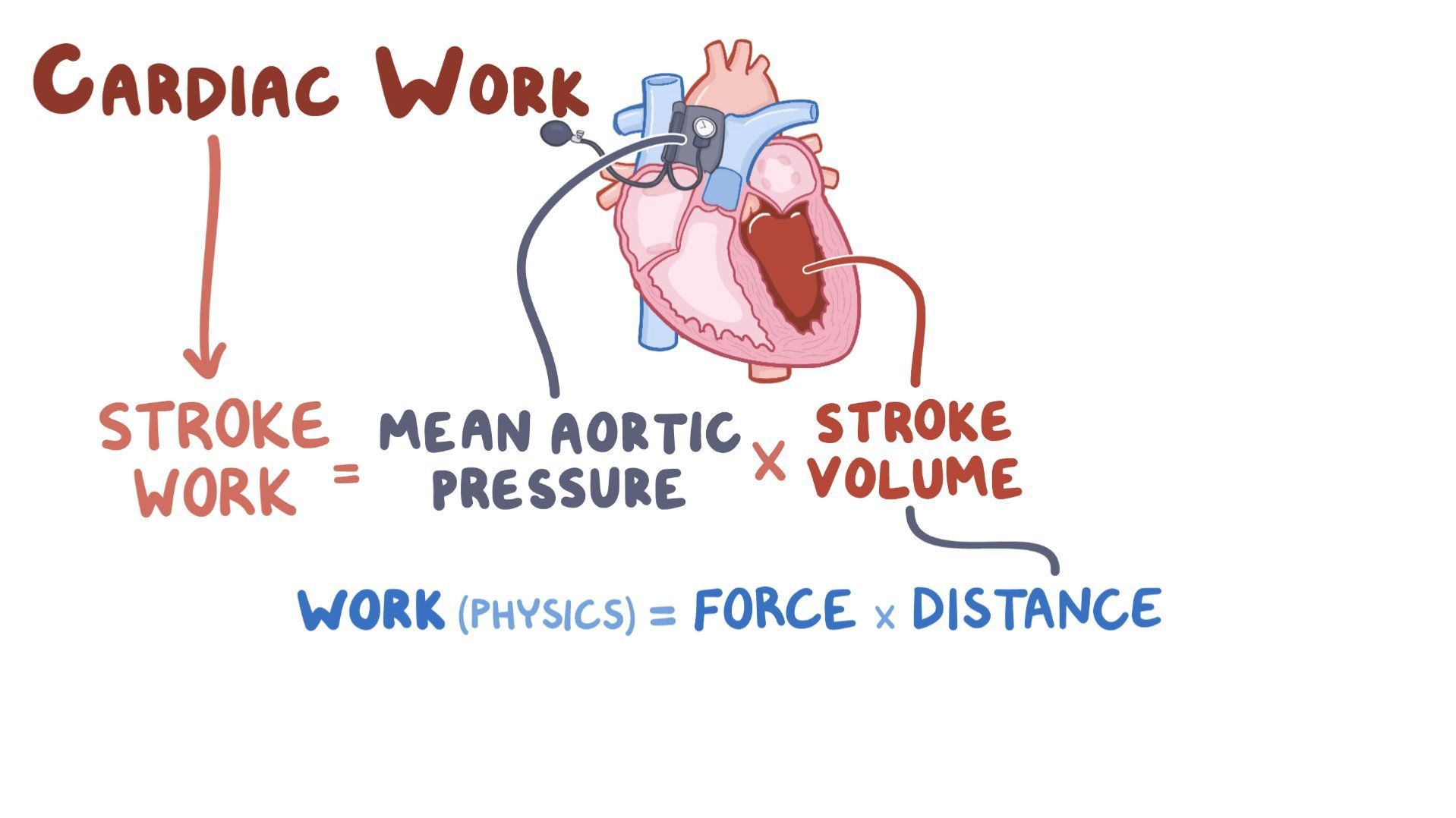
Cardiac Work Osmosis


Comments
Post a Comment